
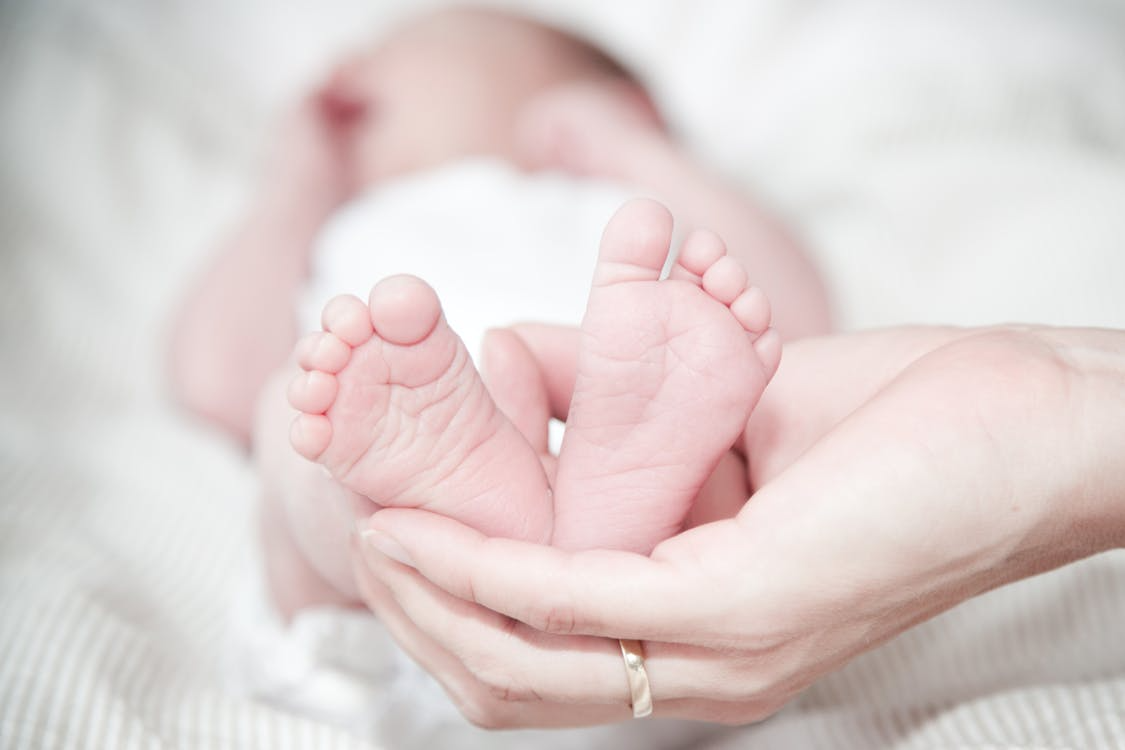
Clubfoot, medically known as Congenital Talipes Equinovarus, is one of the most common congenital foot deformities, affecting approximately 1 in every 1,000 newborns. In children born with clubfoot, one or both feet are twisted inward and downward, making it difficult to place the sole flat on the ground. Without treatment, clubfoot can lead to walking difficulties, pain, and long-term disability.
The good news is that with modern orthopedic techniques, clubfoot is highly treatable, and most children can grow up to walk, run, and play normally.
Understanding Clubfoot in Children
Clubfoot develops before birth when the muscles, tendons, and bones of the foot do not form properly. It may occur in one or both feet and can vary from mild to severe. Although the exact cause is not always known, genetic and environmental factors may play a role.
Early diagnosis, often at birth or even before birth through ultrasound, allows treatment to begin quickly, producing the best long-term results.
Why Early Treatment Is Essential
Starting treatment within the first few weeks of life is crucial because a newborn’s bones, joints, and tendons are soft and flexible. Early correction helps:
- Restore normal foot alignment
- Prevent walking difficulties
- Avoid future surgeries
- Improve long-term mobility and balance
Delayed treatment can make correction more difficult and may lead to stiffness, pain, and gait abnormalities later in life.
Modern Approaches to Clubfoot Treatment
1. Ponseti Method: The Gold Standard
The Ponseti method is now considered the worldwide standard for clubfoot treatment. It is a non-surgical technique that involves:
- Gentle, weekly manipulation of the foot
- Application of plaster casts to gradually correct alignment
- A minor outpatient procedure (Achilles tenotomy) in some cases
- Long-term bracing to maintain correction
This method has a success rate of over 90% when followed correctly and consistently.
2. Bracing and Maintenance Therapy
After the foot is corrected, maintaining the position is essential. Children typically wear a special brace (boots and bar) for several hours a day and during sleep for a few years.
This stage prevents relapse and allows the corrected foot to grow normally. Parent education and compliance play a vital role in achieving permanent correction.
3. Physiotherapy and Functional Rehabilitation
Physiotherapy helps improve:
- Muscle strength
- Joint flexibility
- Balance and walking pattern
- Overall lower limb coordination
As the child grows, guided exercises support natural movement and normal motor development.
4. Surgical Treatment (When Needed)
Most clubfoot cases today are treated without major surgery. However, in severe or neglected cases, limited surgical procedures may be required to release tight tendons or realign joints.
Advances in surgical techniques now allow more precise correction with shorter recovery times and better functional outcomes
Outcomes of Modern Clubfoot Treatment
With early and proper treatment, children born with clubfoot can expect:
- Normal or near-normal foot appearance
- Pain-free walking
- Full participation in sports and daily activities
- Proper shoe fitting and posture
- Healthy musculoskeletal development
Regular follow-up is essential throughout early childhood to monitor growth and prevent recurrence.
Supporting a Child with Clubfoot
Parental involvement significantly influences success. Families should:
- Attend all casting and follow-up appointments
- Ensure consistent brace use
- Encourage normal movement and play
- Monitor for signs of relapse
- Maintain open communication with the orthopedic specialist
Early emotional and physical support builds confidence and promotes long-term mobility.
Conclusion: Early Care Creates Lifelong Mobility
Clubfoot is a highly treatable condition when addressed early with modern orthopedic care. Advances such as the Ponseti method, improved bracing systems, physiotherapy, and minimally invasive surgery have transformed outcomes, allowing children with clubfoot to live active, healthy lives.
If your child has been diagnosed with clubfoot, timely consultation with an experienced orthopedic specialist is the first and most important step toward full correction and long-term success.
Dr. Rajeev Nirwane provides comprehensive evaluation and modern treatment approaches focused on safe correction, functional recovery, and healthy musculoskeletal development in children.
📍 Clinic Address:
110, Khinvasara Trade Centre, Datta Mandir Rd,
Mangal Nagar, Thergaon, Pimpri-Chinchwad,
Maharashtra 411033
With early intervention, expert guidance, and consistent care, children with clubfoot can achieve excellent outcomes and enjoy a future of confident, pain-free movement.